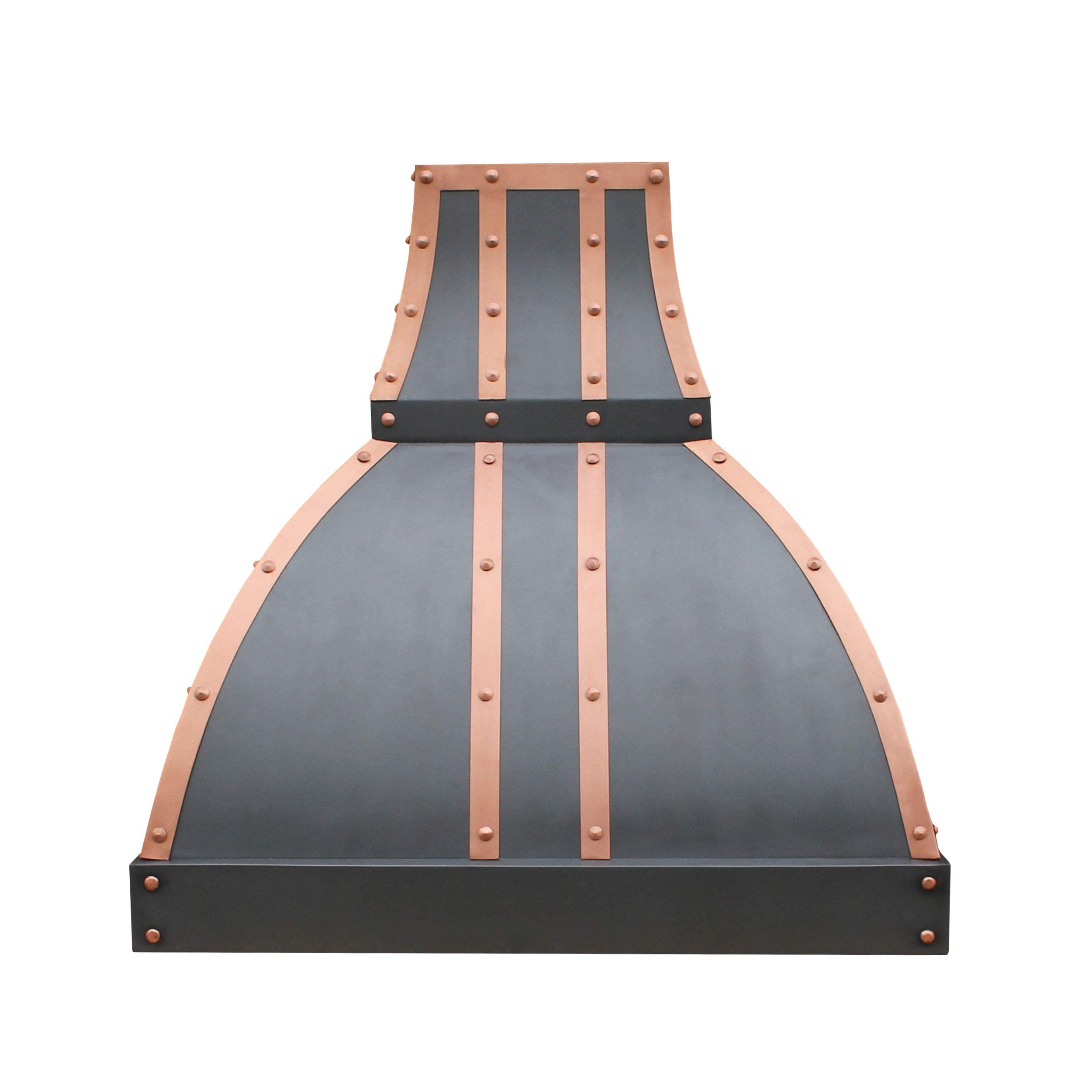
Selecting jewelry that complements your style and fits various occasions requires careful consideration to avoid common mistakes.
The Challenge of Picking Perfect Jewelry
Choosing the right type of jewelry can be daunting. With countless styles, materials, and designs available, it’s easy to feel overwhelmed when trying to pick pieces that suit both personal taste and practical needs. Each choice involves weighing factors like durability, aesthetics, and versatility against budget constraints.
Common Buyer Mistakes to Avoid
Many buyers make the mistake of focusing solely on trends or purchasing based purely on initial attraction without considering long-term wearability. Others might overlook maintenance requirements, leading to disappointment when pieces tarnish quickly or break easily. It’s crucial to balance style with practicality and longevity.
Real-World Wear Experience and Expectations
In real-world settings, high-quality jewelry made from materials like solid gold or platinum tends to hold up better over time compared to cheaper alternatives such as costume jewelry. However, these premium options come at a significantly higher price point. For everyday wear, silver pieces offer an attractive balance of affordability and durability but require regular cleaning to maintain their shine.
Where This Product Fits: Strengths & Weaknesses
When considering handcrafted artisanal jewelry with unique finishes like hammered copper or gold-plated brass, it’s important to recognize both its strengths and limitations. Such items often boast intricate details that catch the eye, making them perfect for special occasions where they can truly stand out. However, these pieces may not be as practical for daily wear due to their delicate nature and higher maintenance needs.
Who Should Avoid This Product
Individuals with sensitive skin or those prone to allergic reactions should steer clear of jewelry made from base metals unless it is properly coated or plated. Additionally, anyone looking for low-maintenance options that can withstand rough handling might find handcrafted pieces too fragile for their lifestyle.
Comparison With Alternative Styles and Materials
When compared to mass-produced machine-made jewelry, artisanal creations often offer superior craftsmanship but at a higher cost. Similarly, while gold vermeil provides excellent value by combining sterling silver with thick layers of gold plating, it may not match the longevity or purity levels found in solid gold pieces.
Maintenance and Long-Term Considerations
Maintaining handcrafted jewelry involves regular cleaning to prevent tarnishing and occasional professional servicing if intricate details need restoration. Proper storage is also key; keeping items separate from each other prevents scratches and damage. Over time, these efforts help preserve the beauty and value of your collection.
Frequently Asked Questions
Q: How do I clean handcrafted jewelry? A: Use a soft cloth dipped in mild soapy water to gently wipe down pieces, then dry thoroughly.
Q: Can I wear artisanal jewelry every day? A: While possible with proper care, it’s generally recommended for special occasions due to potential fragility.
Q: What should I look for when buying handcrafted items? A: Seek out detailed workmanship and high-quality materials from reputable artisans or brands known for their craftsmanship.
Final Neutral Thoughts
Selecting the right type of jewelry is a personal decision that depends on individual preferences, lifestyle needs, and budget constraints. Handcrafted pieces offer unique beauty but come with specific care requirements to maintain their allure over time. By understanding these factors before making a purchase, you can ensure your choice aligns well with both short-term desires and long-term goals.