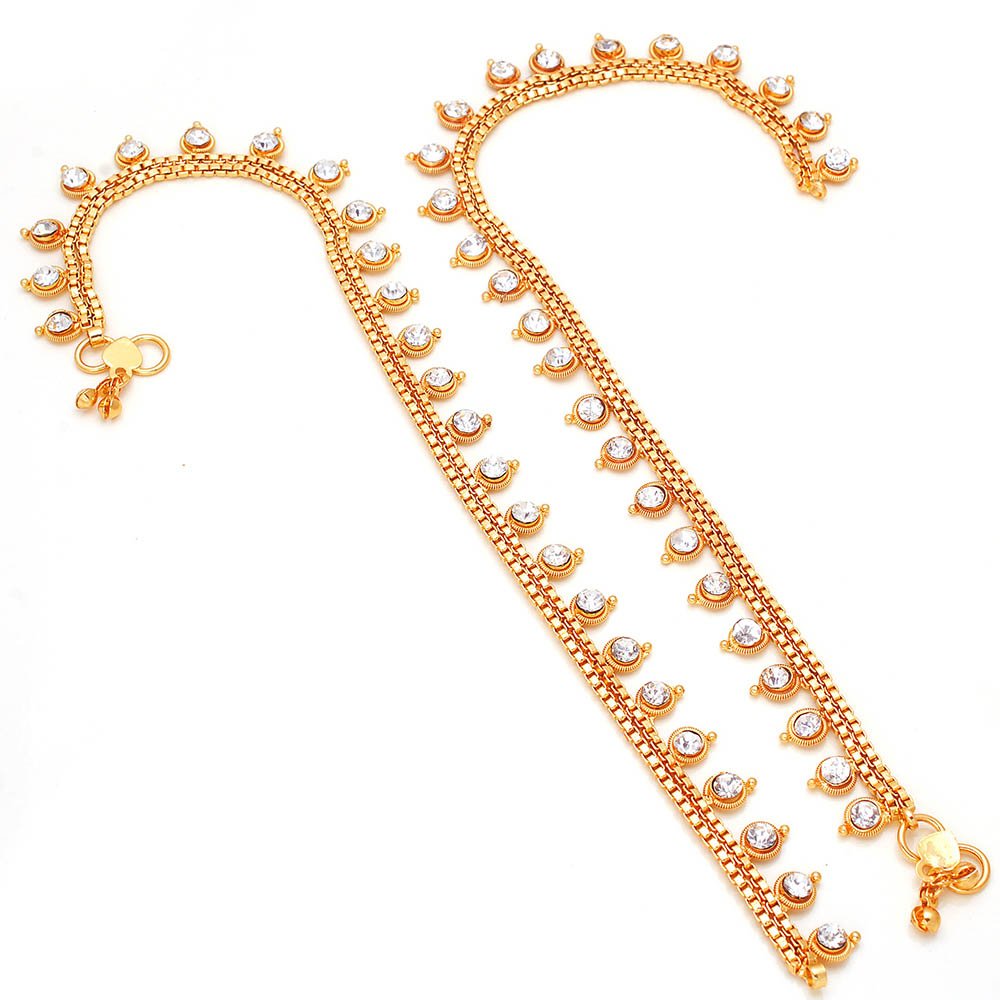
When selecting women’s anklets, consider factors like material quality and design to avoid common mistakes. This guide helps you make an informed decision.
The Challenge of Finding Quality Anklets
Choosing a high-quality jewelry piece can be daunting due to the sheer variety available in the market today. For women’s anklets specifically, there are numerous styles ranging from delicate gold-plated pieces to intricate gemstone-adorned designs. Each style comes with its own set of pros and cons that cater to different tastes and requirements.
Common Mistakes When Buying Anklets
One common mistake buyers make is focusing solely on the aesthetic appeal without considering durability or comfort. Another frequent error is overlooking the importance of material quality, which can significantly impact how long your anklet will last. Additionally, many people underestimate the significance of fit when purchasing an anklet; a poorly fitting piece may not only be uncomfortable but also prone to damage.
Real-World Wear Experience and Expectations
Wearing an anklet regularly exposes it to various environmental factors such as moisture from sweat or water exposure during bathing activities. This constant contact with skin can cause discoloration over time, especially if the metal is of lower quality. It’s important for buyers to understand these potential issues before making a purchase.
Where This Product Fits: Strengths and Weaknesses
The JewarHaat CZ Ad Gold Plated Indian Anklets offer an affordable entry point into luxury-looking jewelry with their intricate designs and gold plating finish. They are suitable for those looking for something eye-catching without breaking the bank, particularly during special occasions or casual outings where a touch of elegance is desired.
However, these anklets may not be ideal for daily wear due to potential durability concerns associated with lower-quality metals used in manufacturing processes. Frequent exposure to moisture and chemicals could lead to tarnishing faster than expected compared to higher-end options made from solid gold or silver alloys.
Who Should Avoid This Product
Individuals who prioritize long-term investment pieces over temporary fashion statements might want to look elsewhere for their anklet needs. Those with sensitive skin should also exercise caution, as the metal composition may cause irritation upon prolonged contact.
Comparison With Alternative Styles and Materials
When compared against solid gold or sterling silver alternatives, this type of jewelry falls short in terms of longevity but excels when it comes to cost-effectiveness. For instance, while a genuine 14k gold anklet would provide superior resistance to tarnishing over time, its price point is considerably higher than that of the JewarHaat option.
Maintenance and Long-Term Considerations
To prolong the life span of your new purchase, it’s crucial to follow proper care instructions. This includes avoiding direct contact with harsh chemicals like chlorine or perfume while wearing them daily. Regular cleaning using mild soap and water followed by thorough drying can help maintain shine and prevent buildup from sweat.
Frequently Asked Questions (FAQs)
Q: How do I determine if the metal used in this anklet is safe for my skin?
A: Look out for any signs of irritation after initial wear tests conducted over several hours. If no adverse reactions occur, it’s likely suitable for regular use.
Q: Can these be worn while swimming or taking a shower?
A: It’s best to avoid exposing the jewelry to excessive amounts of water as this can accelerate tarnishing and weaken its overall structure.
Q: Are there any specific cleaning products recommended for maintaining their appearance long-term?
A: Stick with gentle solutions like mild dish soap mixed in warm water. Harsher chemicals may strip away protective coatings applied during manufacturing processes.
Final Thoughts
While the JewarHaat CZ Ad Gold Plated Indian Anklets provide an attractive and budget-friendly option, they come with inherent limitations regarding durability compared to more expensive alternatives made from solid precious metals. As such, potential buyers should carefully weigh their needs before committing to this style of jewelry based on personal preferences for aesthetics versus practicality.