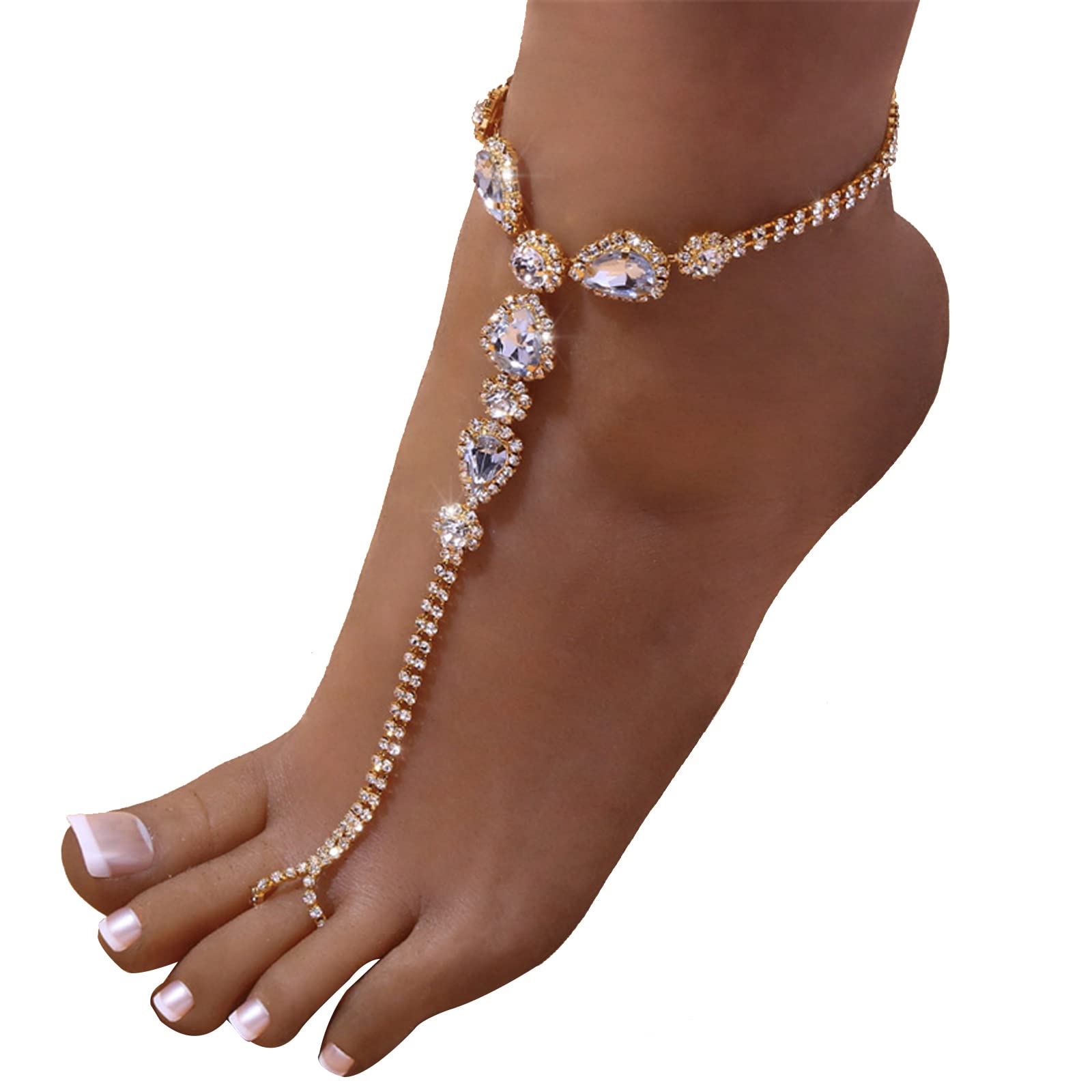
When selecting summer beach jewelry, consider factors like durability and comfort. This guide explores key points in choosing women’s anklets.
The Challenge of Selecting Summer Beach Jewelry
Choosing the right type of jewelry for your summer outings can be challenging due to a variety of personal preferences and practical considerations. Women’s anklets are popular choices for beachwear, but they come with their own set of pros and cons that need careful evaluation before purchase.
Common Buyer Mistakes
Many buyers make decisions based on aesthetics alone without considering the wearability or durability of the jewelry. This can lead to disappointment when the piece doesn’t hold up well in a sandy environment or fails to match other beach accessories effectively.
Real-World Wear Experience and Expectations
In real-world settings, women’s anklets serve as both decorative pieces and functional items for summer activities like swimming and sunbathing. However, they often require more maintenance than traditional necklaces or bracelets due to exposure to sand, water, and salt.
Comfort in Warm Weather
Anklets are lightweight and comfortable during hot weather, making them ideal for beachwear where heavier jewelry might feel cumbersome.
Where This Product Fits: Strengths & Weaknesses
Women’s anklets like the Summer Beach Rhinestone Barefoot Sandals offer a unique blend of style and practicality. They feature rhinestones that catch light beautifully but may require frequent cleaning to maintain their sparkle, especially after exposure to sand or water.
Ideal for Specific Occasions
These ankle chains are perfect for beach weddings or casual summer parties where you want your feet to be part of the fashion statement without detracting from comfort.
Who Should Avoid This Product
Individuals with sensitive skin might find that rhinestone anklets cause irritation due to prolonged exposure. Additionally, those who frequently engage in water sports like surfing may prefer more durable materials that can withstand rougher conditions and constant wetness.
Not Suitable for All Skin Types
People with allergies or sensitivities should test the jewelry on a small area of skin before wearing it extensively.
Comparison With Alternative Styles
Compared to traditional anklets made from metals such as silver or gold, rhinestone-studded ankle chains offer a more affordable yet glamorous option. However, they may not be as durable and could tarnish faster if exposed to moisture frequently.
Versus Metal Anklets
Metal anklets provide better longevity but can feel heavier and less comfortable in warm weather compared to lighter stone-encrusted alternatives.
Maintenance and Long-Term Considerations
To keep your rhinestone ankle chains looking their best, it’s essential to clean them regularly with mild soap and water. Avoid using harsh chemicals or abrasive materials that could damage the stones or metal components.
Cleaning Tips
Regular cleaning helps preserve both the appearance and longevity of these delicate pieces.
Frequently Asked Questions (FAQs)
Q: Can I wear rhinestone anklets while swimming?
A: While possible, frequent exposure to water can dull their shine over time. It’s best suited for occasional beachwear rather than daily use in aquatic activities.
Q: How do I prevent my ankle chain from tangling?
A: Store your jewelry carefully and consider using a small container or pouch designed specifically for keeping necklaces organized when not worn.
Q: Are rhinestone anklets suitable as gifts for someone with allergies?
A: If you’re unsure about the recipient’s sensitivities, opt for hypoallergenic materials like surgical steel instead to minimize risks of irritation.
Final Thoughts
When choosing women’s ankle chains for summer wear, it is crucial to balance style and practicality. Rhinestone-studded anklets offer a glamorous touch but require careful maintenance due to their delicate nature. Consider your personal needs and preferences before making an informed decision that aligns with both fashion and functionality.