Selecting pearl jewelry involves understanding material quality and personal style preferences. This guide helps navigate through common pitfalls, maintenance tips, and comparisons with other materials.
Why Choosing this Type of Jewelry is Difficult
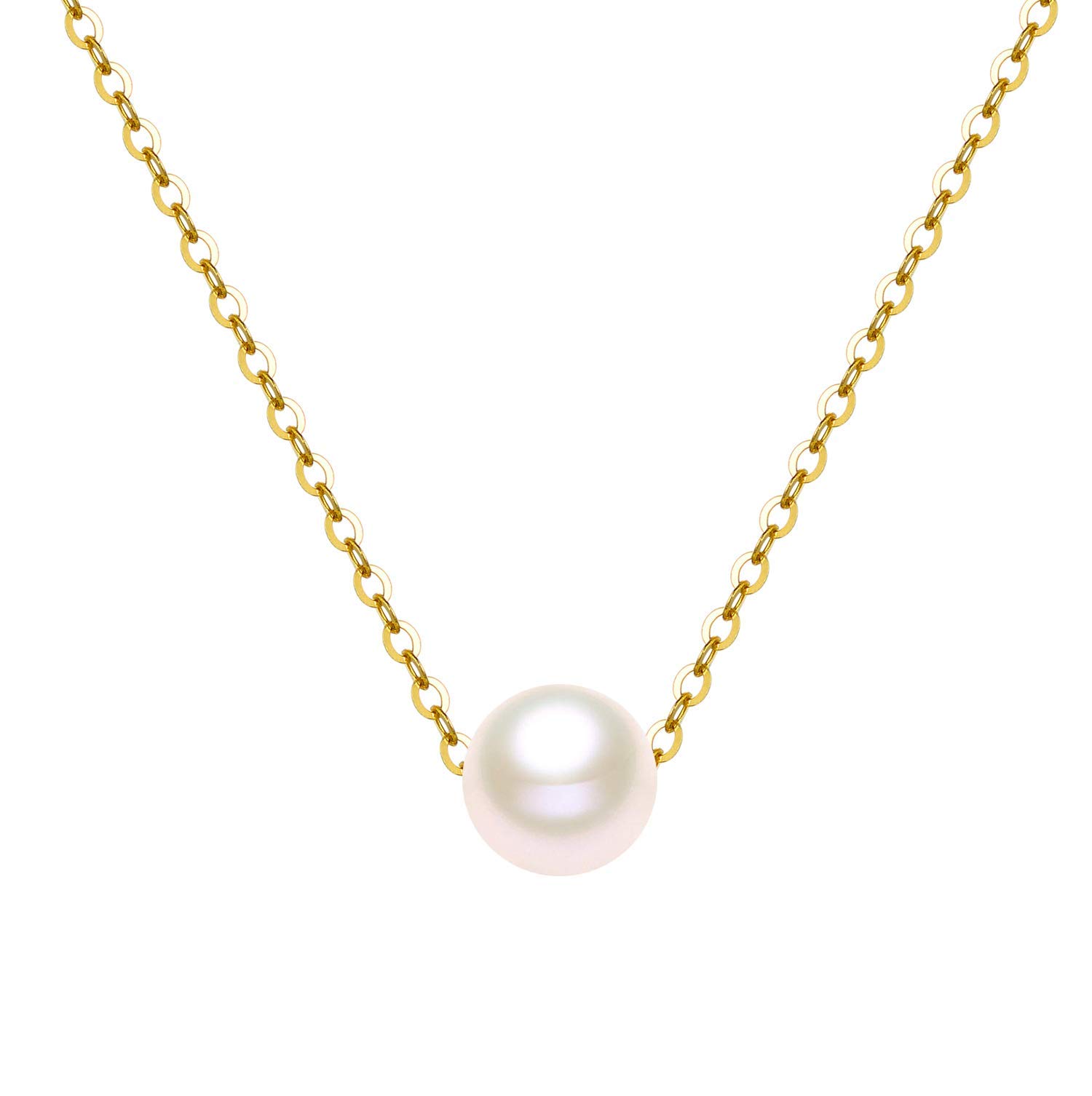
Selecting a piece like an 18-inch adjustable single floating freshwater cultured pearl necklace can be challenging due to the variety in quality and design available on the market. Factors such as material authenticity, size variation, luster, and color play significant roles in determining value.
Common Buyer Mistakes
One common mistake is assuming all pearls are of equal quality based solely on appearance or price. Another frequent error involves overlooking maintenance requirements that can affect longevity and beauty over time. Buyers often fail to consider whether the piece complements their personal style and wardrobe choices adequately.
Real-World Wear Experience and Expectations
Wearing a pearl necklace regularly requires understanding its care needs, such as avoiding exposure to chemicals or extreme temperatures which could damage pearls’ luster and surface integrity. Additionally, it’s important for wearers to recognize that while these pieces can be elegant additions to any outfit, they may not suit every occasion due to their delicate nature.
Where This Product Fits (Strengths & Weaknesses)
This type of jewelry excels in formal settings or as a subtle accent piece for everyday outfits. Its strengths lie in its versatility and ability to enhance various styles without overpowering them. However, it is less suitable for active lifestyles where frequent wear could lead to accidental damage.
Who Should Avoid This Product
Individuals with highly sensitive skin who might react negatively to metal components or those seeking more durable options for daily use should consider alternatives such as pearl pendants on leather cords or silicone bands designed specifically for everyday wear without compromising aesthetic appeal.
Comparison With Alternative Styles Or Materials
Compared to other types of jewelry, like diamond necklaces which offer greater durability and shine but come at a higher price point, pearl pieces provide an elegant yet affordable option. They also contrast with gemstone pendants that may be more vibrant in color or larger in size, making them better suited for bold statements rather than understated elegance.
Maintenance And Long-Term Considerations
To maintain the beauty of your pearl necklace over time, it’s crucial to handle and store pearls carefully by wrapping them individually in soft cloth when not worn. Regular cleaning with mild soap and water can help preserve their luster without damaging delicate surfaces.
Frequently Asked Questions
Q: How do I know if my pearl is real? A: Look for natural imperfections, test its weight (real pearls feel heavier), or check the drill hole’s texture.
Q: Can I wear a pearl necklace while swimming? A: It’s best to avoid water exposure as chlorine and salt can dull the luster of pearls over time.
Q: How often should I clean my pearl jewelry? A: Clean your pearls gently every few months with mild soap and warm water, then dry thoroughly.
Final Neutral Thoughts
Choosing a piece like an adjustable single floating freshwater cultured pearl necklace involves careful consideration of personal style preferences, maintenance requirements, and intended use. While it offers elegance and versatility for many occasions, understanding its limitations ensures long-lasting enjoyment without unnecessary wear or damage.