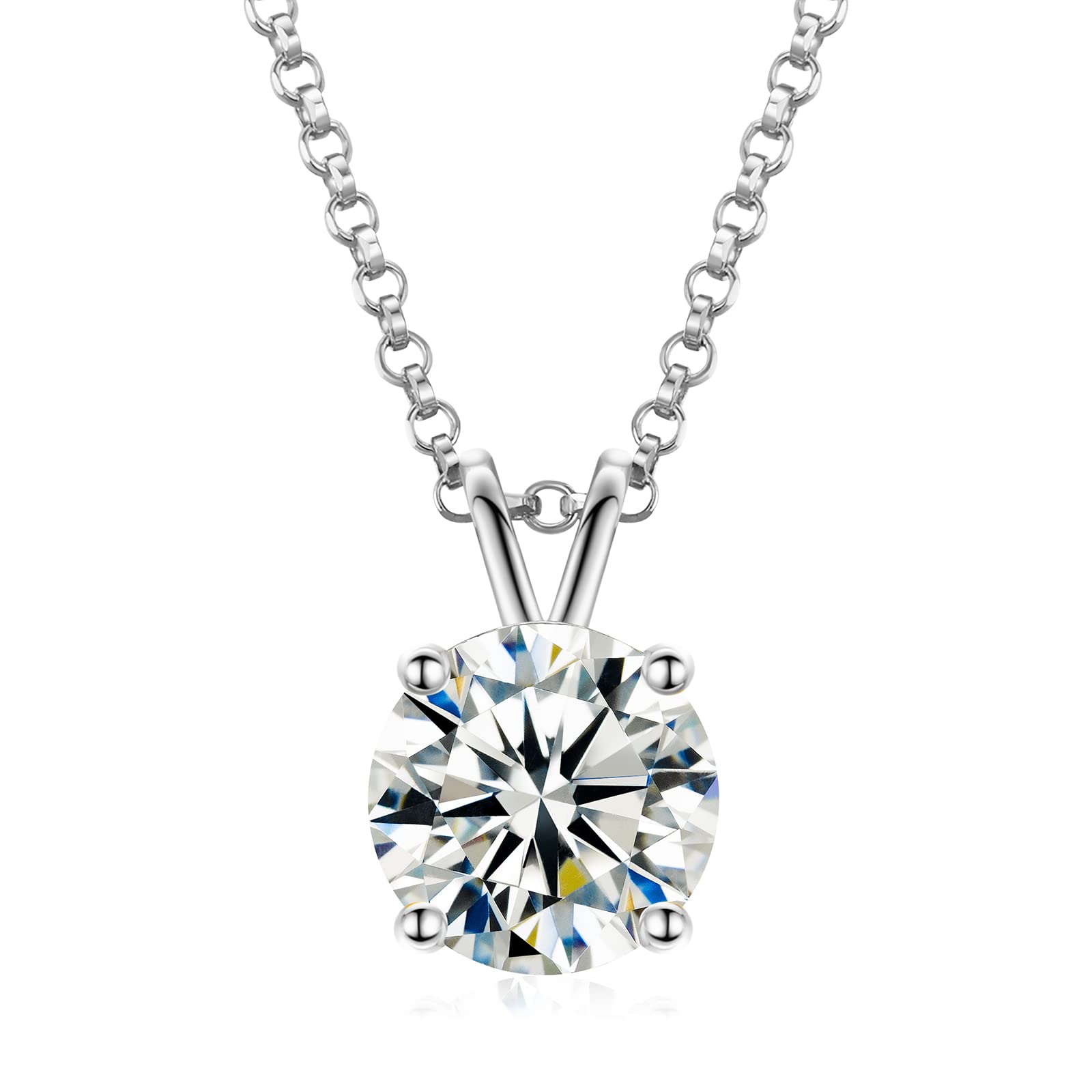
Selecting a moissanite necklace involves weighing factors like material quality, design aesthetics, and long-term durability.
The Challenge of Picking Perfect Jewelry
Choosing the right jewelry can be daunting. With countless options available in various materials and styles, it’s easy for buyers to feel overwhelmed. Moissanite necklaces, while beautiful and unique, present their own set of challenges when selecting one that fits personal preferences and budget constraints.
Common Buyer Mistakes to Avoid
One common mistake is focusing solely on the price tag without considering quality or durability. Another pitfall is overlooking maintenance requirements which can affect long-term wearability. It’s also important not to get swayed by marketing hype, such as exaggerated claims about stone clarity or metal purity levels.
Real-World Wear Experience and Expectations
Wearing a moissanite necklace regularly means understanding its strengths and limitations. Moissanite stones are known for their brilliance but may show more visible inclusions under close inspection compared to diamonds. The gold vermeil coating on sterling silver necklaces adds an elegant touch, though it will wear off over time with prolonged exposure.
Where This Product Fits Best
Moissanite necklaces shine when worn as everyday accessories or special occasion pieces where their sparkle and affordability are highlighted without the need for constant daily use that could lead to faster deterioration of gold vermeil plating. They offer a striking alternative to diamond jewelry, particularly appealing to those seeking ethical sourcing options.
Who Should Avoid This Product
Individuals with metal allergies should be cautious about wearing moissanite necklaces coated in 18K gold vermeil over sterling silver due to potential allergic reactions from prolonged contact with base metals. Additionally, anyone looking for a lifetime investment piece might prefer more durable materials like solid gold or platinum.
Comparison With Alternative Styles and Materials
When compared to diamond jewelry, moissanite offers similar sparkle at a lower price point but lacks the same level of durability and resale value over decades. For those preferring natural gemstones, lab-grown diamonds present another ethical yet costly option with comparable longevity benefits.
Maintenance and Long-Term Considerations
To ensure your moissanite necklace remains beautiful for years to come, regular cleaning is essential using mild soap and water or a professional jewelry cleaner. Avoid exposing it to harsh chemicals like chlorine or abrasive materials that could scratch the surface of both stones and metals.
Long-term durability depends largely on how well you care for the piece; frequent polishing can help maintain its luster but will eventually wear down gold vermeil plating, necessitating replating services.
Frequently Asked Questions
Q: How do I clean my moissanite necklace?
A: Use a soft-bristled brush and mild soap solution to gently scrub away dirt and oils. Rinse thoroughly with warm water before patting dry.
Q: Can I wear this necklace while swimming or exercising?
A: It’s best avoided during activities involving sweat, chlorine, saltwater, or other chemicals that can damage the gold vermeil coating over time.
Q: What is the difference between moissanite and diamond?
A: Moissanite mimics diamonds in appearance but typically costs less. However, it has different physical properties such as higher refractive index leading to more pronounced fire (dispersion) compared to diamonds which are harder and rarer.
Final Thoughts
Choosing a moissanite necklace involves balancing aesthetic appeal with practical considerations like wearability and maintenance needs. By understanding these factors upfront, you can make an informed decision that aligns perfectly with your personal style preferences while also meeting long-term expectations for quality jewelry ownership.