Selecting jewelry that complements your style and fits various occasions requires careful consideration of material quality, design versatility, and maintenance needs.
The Challenge of Finding the Perfect Piece
Choosing the right piece of jewelry is a daunting task. With countless styles, materials, and designs available, it’s easy to feel overwhelmed by the options. Each choice comes with its own set of trade-offs between aesthetics, durability, comfort, and cost-effectiveness. For instance, while gold may be luxurious and timeless, it can also be expensive and less practical for everyday wear.
Common Buyer Mistakes
One common mistake is purchasing jewelry based solely on initial attraction without considering long-term use or maintenance requirements. Another pitfall is buying pieces that do not complement your personal style or wardrobe choices. It’s important to think about how often you will actually wear the piece before making a purchase.
Real-World Wear Experience and Expectations
Wearing jewelry regularly can lead to noticeable wear and tear over time, especially with materials like silver which tarnish easily when exposed to air and moisture. Copper, on the other hand, develops an attractive patina but requires regular cleaning to maintain its shine. Understanding these factors helps set realistic expectations for your investment.
Where This Product Fits
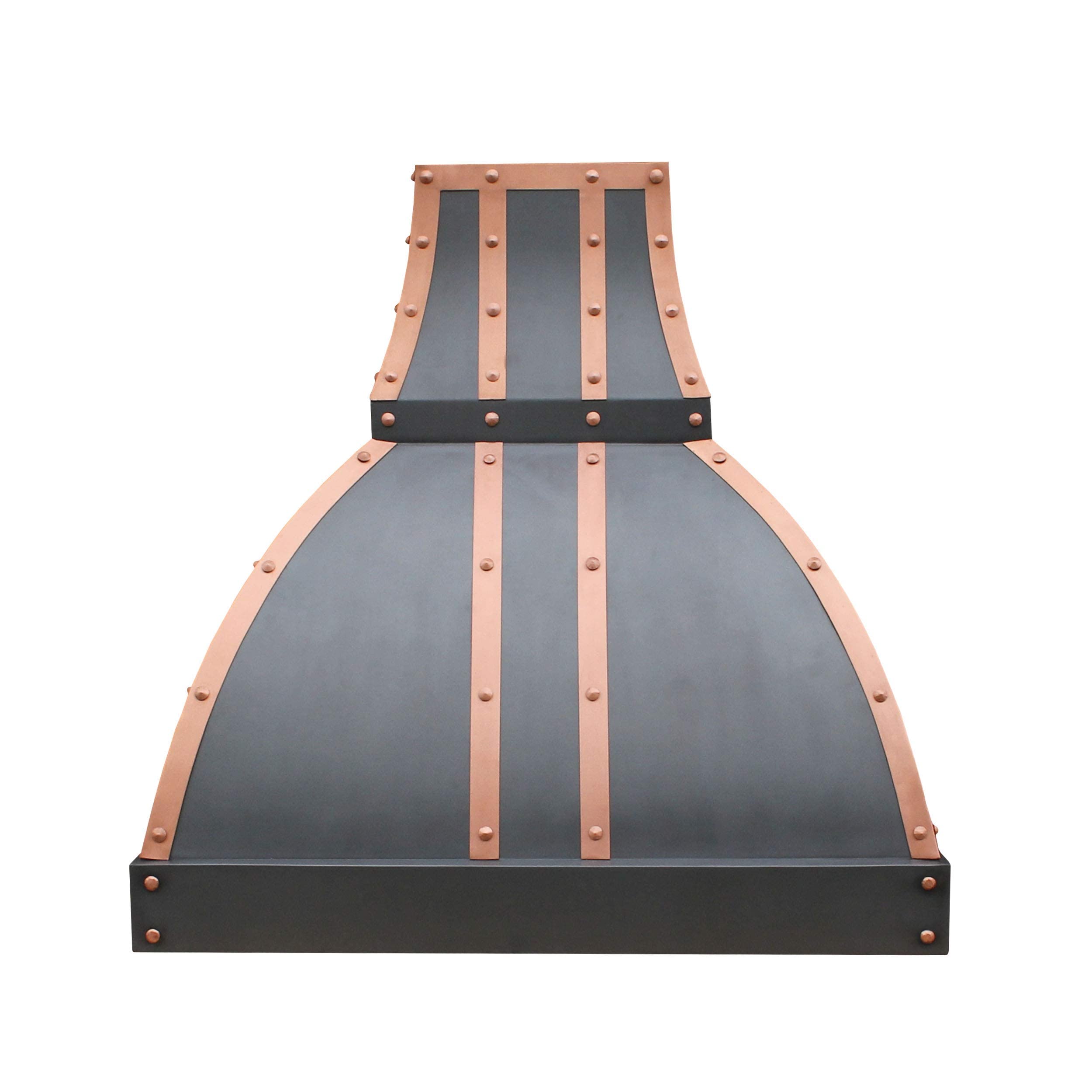
This particular piece of jewelry is crafted from high-quality copper by skilled artisans, offering a unique blend of durability and aesthetic appeal. Its strengths lie in its ability to add warmth and character to any outfit while being relatively affordable compared to precious metals like gold or platinum. However, it may not be suitable for those who prefer minimal maintenance or are allergic to certain base metal alloys.
Who Should Avoid This Product
Individuals with sensitive skin might find that copper jewelry causes irritation over time due to its chemical composition and potential reactions when exposed to sweat or other bodily fluids. Additionally, people looking for low-maintenance options should consider materials like stainless steel instead of copper which requires more frequent care.
Comparison With Alternative Styles Or Materials
When compared to alternative styles such as gold-plated pieces, this copper jewelry offers a similar level of elegance at a fraction of the cost but lacks the same longevity and resistance against wear. Similarly, silver items provide comparable beauty yet require even stricter maintenance routines due to their tendency towards tarnishing more quickly than copper.
Maintenance And Long-Term Considerations
Maintaining your copper jewelry involves regular cleaning with mild soap and water followed by drying thoroughly to prevent oxidation. Over time, you may notice changes in coloration which can be addressed through professional polishing services if desired. Investing in proper storage solutions like anti-tarnish bags or boxes also helps preserve the appearance of these items.
Frequently Asked Questions
Q: How often should I clean my copper jewelry?
A: Clean your piece every 1-2 weeks using a soft cloth and mild soap to keep it looking its best.
Q: Can I wear this type of jewelry while swimming or showering?
A: It’s recommended to avoid exposing the item to chlorinated water as it can cause discoloration.
Q: What are some signs that my copper piece needs professional attention?
A: If you notice significant darkening, pitting, or loss of luster despite regular care, consulting a jeweler for polishing might be necessary.
Final Neutral Thoughts
Ultimately, selecting the right type of jewelry depends on your personal preferences and lifestyle. Copper pieces offer an excellent balance between affordability and visual appeal but come with specific maintenance requirements that must be considered before purchase. By understanding these factors upfront, you can make informed decisions about which style best suits your needs without falling prey to common pitfalls associated with impulse buys or poorly chosen materials.