Selecting jewelry that complements your style requires careful consideration of material quality, design aesthetics, and practicality.
The Challenge of Finding the Perfect Piece
Choosing the right piece of jewelry can be a daunting task. With countless styles, materials, and designs available in today’s market, it is easy to feel overwhelmed by the sheer number of options. Each type of jewelry comes with its own set of pros and cons that cater to different preferences and needs.
Common Buyer Mistakes
One common mistake buyers make is focusing solely on aesthetics without considering durability or practicality. Another frequent error is purchasing trendy pieces that may not suit one’s personal style in the long run, leading to regrettable purchases. It’s important to balance fashion with functionality when making a jewelry decision.
Real-World Wear Experience and Expectations
Wearing jewelry regularly can provide insight into how it holds up over time. For instance, gold-plated pieces might tarnish faster than solid gold ones due to their thinner layer of precious metal. Understanding these nuances helps set realistic expectations about maintenance requirements and longevity.
Where This Product Fits (Strengths & Weaknesses)
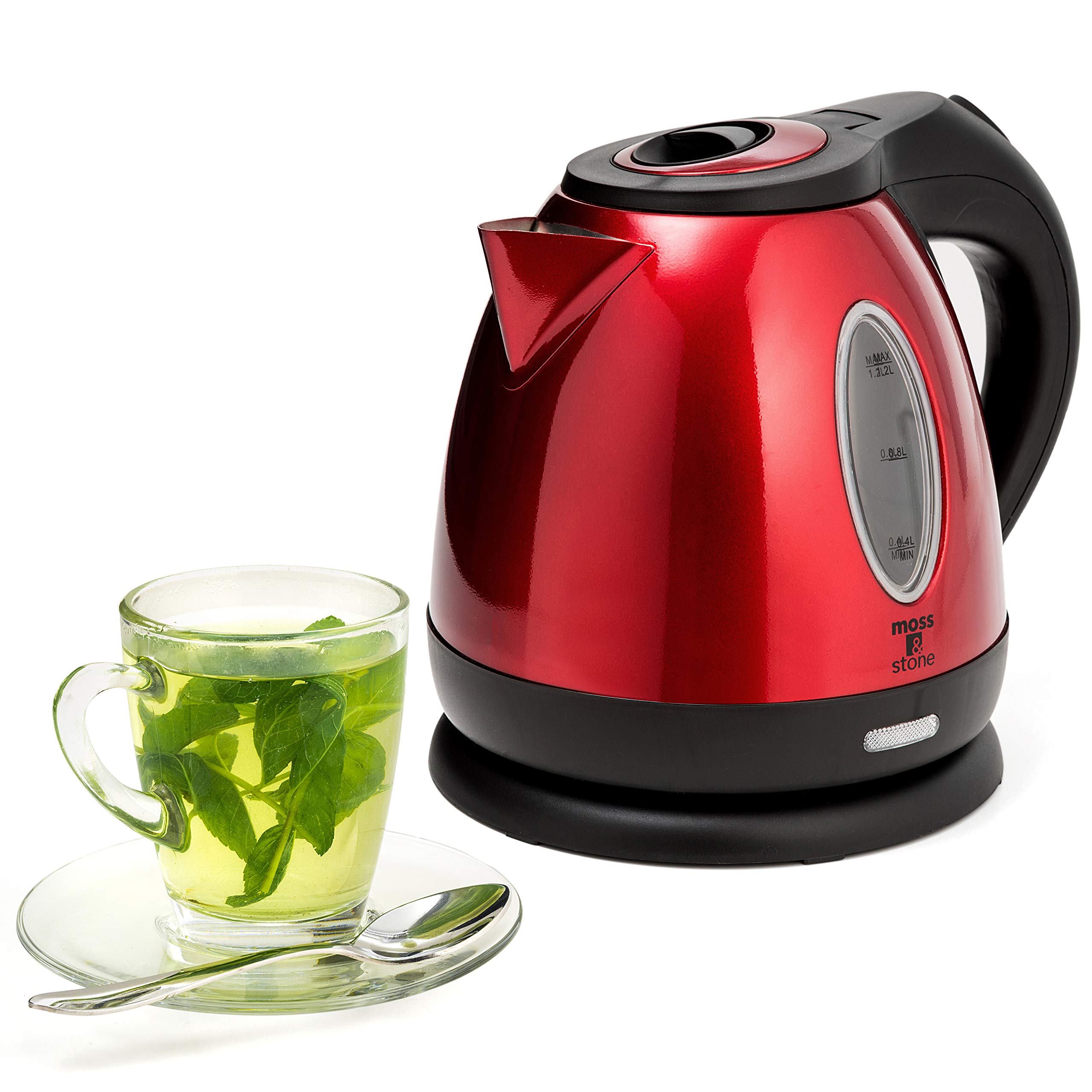
A piece like the Moss & Stone 1.2L Stainless Steel Small Electric Kettle, while not jewelry but a useful analogy for understanding product strengths and weaknesses, highlights how certain materials can offer both durability and aesthetic appeal. Similarly, in jewelry, sterling silver offers elegance with reasonable longevity compared to gold or platinum which are more expensive yet highly durable.
Who Should Avoid This Product
Individuals who prefer minimal maintenance should avoid pieces that require frequent cleaning such as those made from pearls or rhodium-plated metals. These materials might look stunning but demand regular care and attention, making them less suitable for someone with a busy lifestyle.
Comparison With Alternative Styles or Materials
When comparing jewelry styles, it’s crucial to weigh the benefits of each material against your needs. For example, while rose gold adds a romantic touch to any outfit, its cost can be prohibitive compared to silver which offers similar elegance at a lower price point. Understanding these trade-offs helps in making an informed decision.
Maintenance and Long-Term Considerations
Maintaining jewelry properly is key to preserving it over time. Regular cleaning with mild soap and water prevents tarnishing and keeps pieces looking new longer. Additionally, storing items separately can prevent scratches or damage from other accessories.
Frequently Asked Questions
Q: How often should I clean my jewelry? A: It depends on wear frequency but generally once a month is sufficient to keep it in good condition.
Q: Can wearing certain metals cause skin irritation? A: Yes, some people are allergic to nickel commonly found in costume jewelry. Opting for hypoallergenic materials like titanium can help avoid this issue.
Q: What’s the best way to store my collection of rings and necklaces? A: Use individual compartments or anti-tarnish bags within a box to prevent tangling and damage from exposure to air.
Final Neutral Thoughts
Selecting jewelry that aligns with your personal style is an ongoing process. It involves understanding what you value most in terms of aesthetics, durability, and practicality. By considering these factors carefully before making any purchase, you can ensure long-lasting satisfaction with your choices.