Selecting jewelry that complements your personal style requires careful consideration of materials, design, and wearability.
The Challenge of Finding the Perfect Piece
Choosing the right piece of jewelry can be a daunting task. With so many styles, metals, stones, and designs available, it’s easy to feel overwhelmed by the sheer number of options on the market. Each type of jewelry comes with its own set of pros and cons, making it difficult for buyers to make an informed decision that aligns perfectly with their personal style.
Common Buyer Mistakes
One common mistake is purchasing a piece based solely on aesthetics without considering practical aspects such as durability or comfort during wear. Another frequent error is buying into trends rather than selecting items that will stand the test of time and remain relevant in your wardrobe for years to come.
Real-World Wear Experience and Expectations
In real-world settings, jewelry should enhance one’s appearance while also being functional enough to withstand daily use without constant maintenance or repair. For instance, a piece made from stainless steel might be more durable than gold but could feel heavier on the wrist over extended periods of wear. Understanding these trade-offs helps set realistic expectations for how often and under what conditions you can expect your jewelry to perform well.
Where This Product Fits (Strengths & Weaknesses)
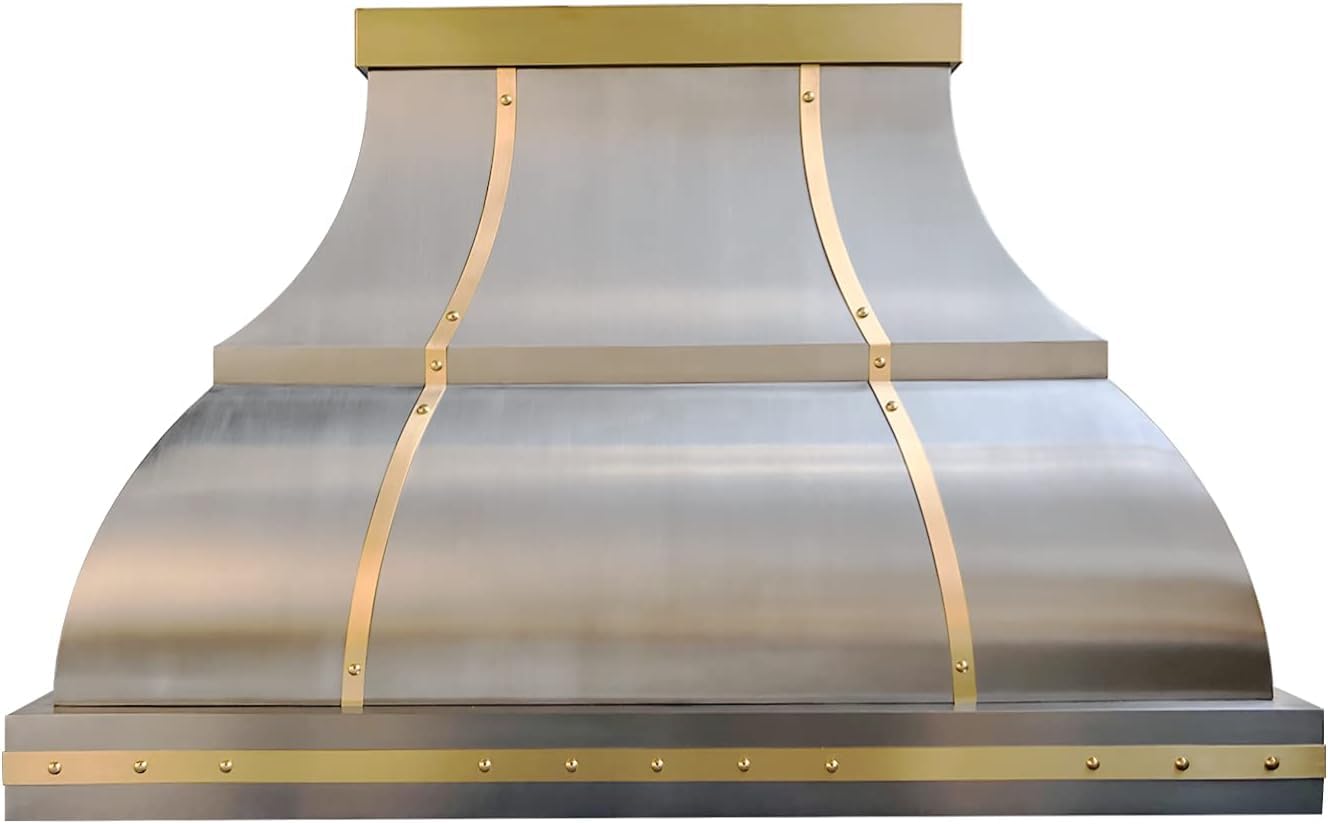
Stainless steel jewelry, like a range hood wall mount or any other item made from this material, offers several advantages such as resistance against corrosion, ease of cleaning, and affordability compared to precious metals. However, it may lack the luxurious feel and value retention associated with gold or silver pieces.
Who Should Avoid This Product
Individuals who prioritize aesthetic appeal over practicality might find stainless steel jewelry less appealing due to its industrial look. Those looking for investment-grade items that appreciate in value should also consider other materials more commonly recognized as valuable assets, such as platinum or diamonds.
Comparison with Alternative Styles or Materials
When compared to gold and silver, stainless steel offers a lower price point but sacrifices some of the elegance and perceived worth these metals provide. Conversely, while gemstone jewelry can add vibrant color and unique character to an outfit, it may require more careful handling due to fragility concerns.
Maintenance and Long-Term Considerations
Maintaining stainless steel jewelry involves regular cleaning with mild soap and water to prevent buildup from sweat or oils that could dull its shine over time. Additionally, while this type of metal tends not to tarnish easily like silver does, scratches can still occur if worn in rough environments without proper care.
Frequently Asked Questions
Q: Is stainless steel jewelry durable? A: Yes, it is highly resistant to corrosion and wear but may show signs of scratching over time.
Q: Can I shower or swim with my stainless steel piece on? A: Generally safe for water exposure; however, prolonged contact might cause discoloration if not cleaned properly afterward.
Q: How does it compare in terms of cost to other metals like gold and silver? A: Stainless steel is significantly more affordable but lacks the intrinsic value associated with precious metals.
Final Neutral Thoughts
Ultimately, choosing between stainless steel jewelry or alternatives depends largely on individual needs and preferences. While stainless steel offers practical benefits such as durability and affordability, it may not meet expectations for those seeking a luxurious feel or high resale value in their accessories. Careful consideration of these factors will help ensure that any purchase aligns well with your lifestyle and personal style goals.