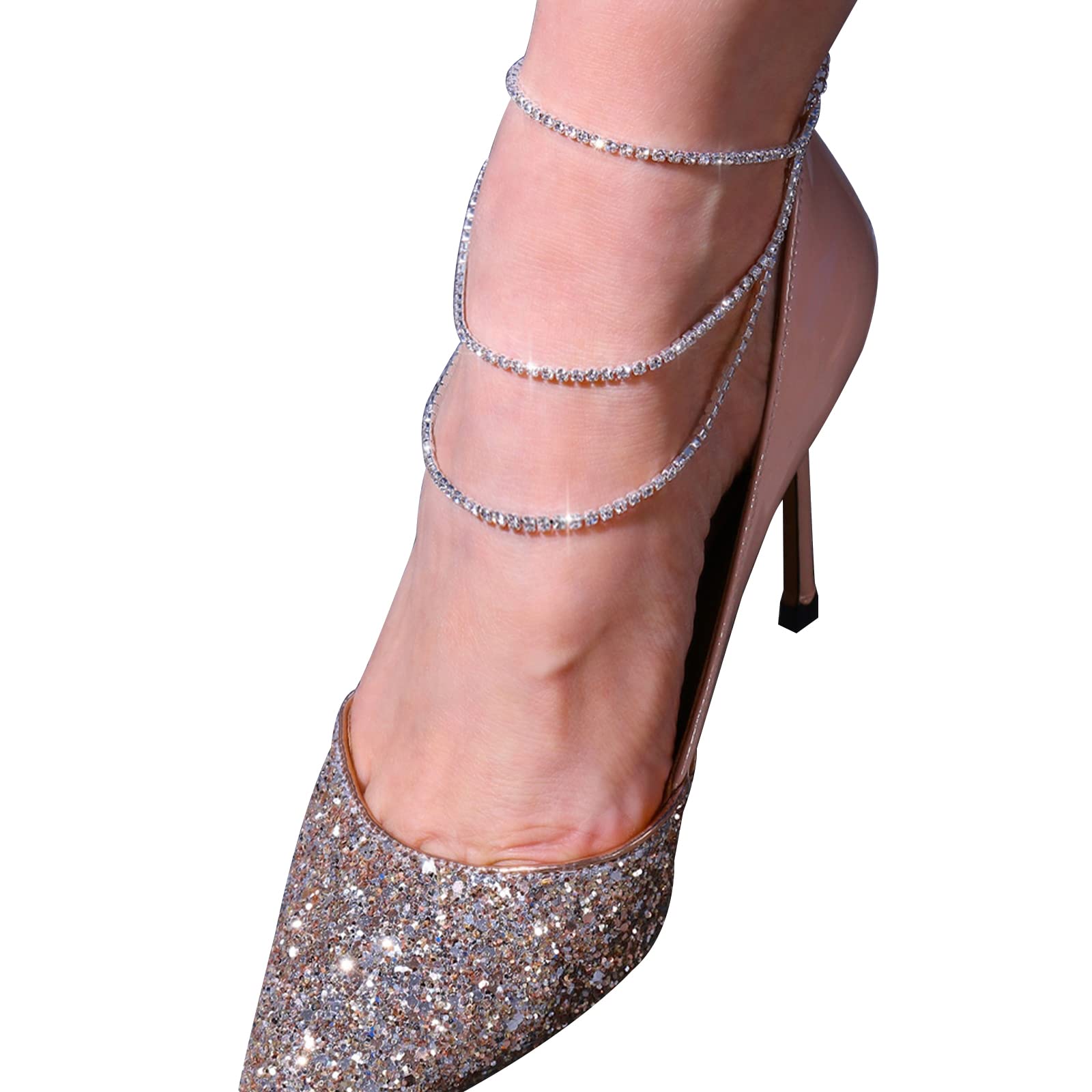
Selecting an anklet involves considering style, material, and wearability. This guide helps navigate through common pitfalls and maintenance tips.
The Challenge of Picking the Ideal Anklet
Choosing the right anklet can be a daunting task due to the sheer variety available in terms of design, size, and materials. Each piece has unique features that cater to different preferences and occasions. For instance, rhinestone tassel anklets like those featuring high heel decor are popular for their elegance and sparkle but come with specific considerations regarding wearability.
Common Buyer Mistakes
One common mistake buyers make is purchasing an anklet without considering its size or fit. Anklets that are too loose can easily slip off during activities, while overly tight ones might cause discomfort or leave marks on the skin. Another frequent error is overlooking the quality of materials used; cheaper alternatives may tarnish quickly and lose their appeal.
Real-World Wear Experience
Wearing a rhinestone tassel anklet for extended periods reveals its strengths and limitations. The high heel decor adds an elegant touch, making it suitable for formal events or special occasions. However, daily wear might expose the fragility of delicate components like small beads or chains that can snag on clothing.
Where This Product Fits
Strengths
Elegance: Perfect for adding a glamorous touch to eveningwear.
Versatility: Can complement various styles when worn with different outfits.
Weaknesses
Durability Issues: May not withstand rough daily wear without proper care.
Size Sensitivity: Requires precise sizing to avoid slipping or discomfort.
Who Should Avoid This Product
Individuals who lead active lifestyles, such as athletes or those engaged in manual labor, might find rhinestone tassel anklets impractical. The delicate nature of these pieces makes them unsuitable for environments where they could easily get damaged or lost.
Comparison with Alternative Styles and Materials
When compared to simpler chain anklets made from metals like sterling silver or gold-filled alloys, rhinestone tassels offer a more decorative look but at the cost of durability. Chain anklets tend to be sturdier and better suited for everyday wear without compromising on style.
Maintenance and Long-Term Considerations
To prolong the life of your rhinestone tassel anklet, it’s crucial to store it in a dry place away from direct sunlight which can cause fading over time. Regular cleaning with mild soap and water helps maintain its shine but should be done carefully to avoid damaging delicate parts.
Frequently Asked Questions
Q: Can I wear this anklet while swimming?
- A: No, exposure to chlorine or saltwater could damage the rhinestones.
Q: How do I measure my ankle for a proper fit?
- A: Use a flexible measuring tape around your ankle at its widest point and add about half an inch (1.27 cm) for comfort.
Q: Is it easy to adjust if it doesn’t fit right out of the box?
- A: Adjusting can be tricky due to delicate components, so consider getting a professional fitting or ordering from sellers who offer custom sizing options.
Final Thoughts
While rhinestone tassel anklets add an element of sophistication and glamour to your jewelry collection, they require careful consideration regarding wear conditions and maintenance. Understanding these aspects helps in making informed decisions that align with personal style preferences and lifestyle needs.